
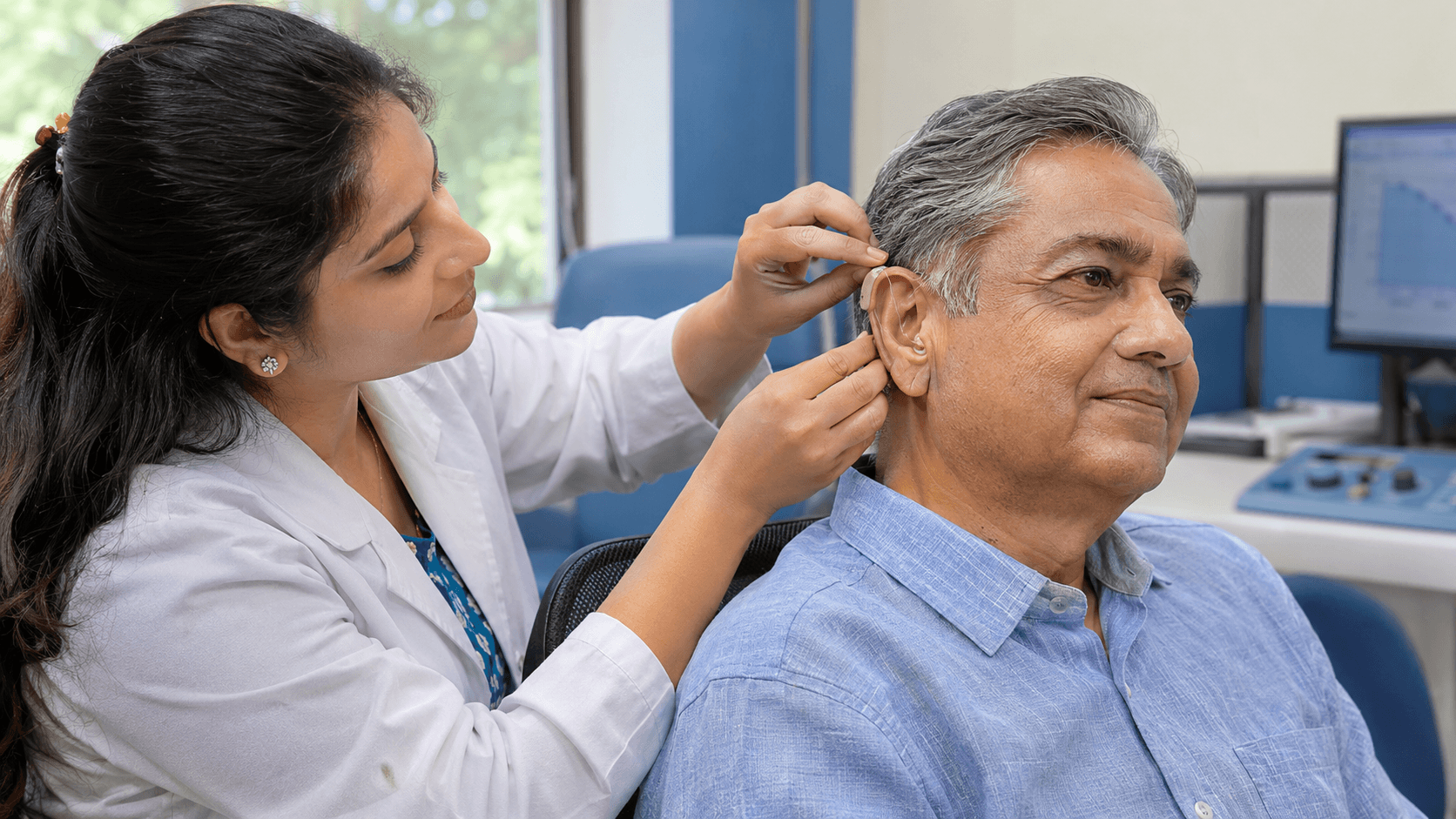
When Should You Wear a Hearing Aid?
You manage a conversation across the breakfast table without much trouble. Later, at a family dinner, you miss half the discussion. Someone suggests a hearing aid, but you are unsure. If you can still hear plenty of things, do you really need one?
It is a reasonable question. Many people expect hearing loss to mean that everything becomes quieter. Their experience may be less obvious: a missed name, an unclear phone call or the effort of keeping up when several people speak.
You should consider hearing aids when an assessment confirms hearing loss that affects everyday listening or communication. You do not have to wait until the difficulty becomes severe. Once hearing aids are fitted, regular use during waking hours is generally encouraged, with an adjustment plan suited to you.
How Do You Know It Is Time to Consider Hearing Aids?
A hearing-test result matters, but so does your experience outside the clinic. What are you finding difficult, and how often does it get in the way?
You might be managing work meetings by copying what colleagues do, asking your partner to handle calls or choosing not to join conversations you once enjoyed. These are useful things to discuss during an assessment.
For example, tell the audiologist:
- “I hear the television, but I miss names and dialogue.”
- “I follow meetings until someone speaks from across the room.”
- “I keep checking appointment times because I am unsure what I heard.”
- “I can manage a quiet conversation, but lunch with friends is tiring.”
These examples give the appointment a purpose. They also provide practical goals against which to judge any recommended support.
Can Mild Hearing Loss Need a Hearing Aid?
Yes, it can. “Mild” describes a measured degree of hearing loss; it does not explain every difficulty someone experiences.
An adult whose work involves frequent conversations may notice a substantial effect from a relatively small hearing change. Another person may have different listening needs. Clinical guidance recommends offering hearing aids when hearing loss affects communication and everyday hearing, rather than waiting for it to reach a particular level of inconvenience.
Ask how your results relate to your own concerns. If hearing aids are suggested, the explanation should cover what they may help with and where you could still find listening difficult.
Why an Assessment Should Come Before a Purchase
Difficulty hearing does not automatically tell you which device or treatment you need. An earwax blockage, an ear condition and permanent inner-ear hearing loss may require different approaches.
A professional assessment helps establish the cause and extent of the difficulty. Depending on the findings, you may need medical review, hearing aids or another form of support.
Before choosing anything, ask:
- What do the results show in each ear?
- Why is this particular option being recommended?
- What benefit should I reasonably expect?
- How will fitting and follow-up work?
- What costs are included, and what might be charged separately?
You can explore hearing aid styles and fitting support to understand the options, but appearance and price should be part of the discussion alongside clinical suitability.
Should You Wear Hearing Aids All Day?
Once you have been assessed and fitted, the usual aim is consistent use during most waking hours. Wearing them only for occasional outings gives you fewer opportunities to become familiar with the sound. Even quieter moments at home can be useful listening practice.
If You Are Wearing Them for the First Time
Start in manageable surroundings and follow your audiologist’s advice. A conversation with one person at home is a more comfortable starting point than a crowded wedding reception.
You may notice sounds that had become less familiar, such as running water or cutlery. Your own voice may also sound different. Some people benefit from gradually increasing their wearing time before moving into busier settings.
Keep a short note of what you notice. “The plates sound sharp” or “I still miss the person sitting on my left” gives the audiologist something specific to review.
If You Have Been Saving Them for Special Occasions
Tell your audiologist why. Perhaps they are uncomfortable, difficult to insert or disappointing in noise. That conversation is more useful than leaving them in a drawer and assuming hearing aids cannot help.
Ask for the fit, settings and handling to be checked. The wearing plan should be practical enough to follow in your actual routine.
When Should You Take Hearing Aids Out?
For conventional removable hearing aids, take them out before sleeping, showering, bathing or swimming. Follow the instructions for your particular model; water resistance should not be assumed to mean it is suitable for immersion.
If wearing them causes pain, remove them and contact your audiologist. Persistent whistling or feedback also deserves attention. You should not have to tolerate pain to get used to a device.
Ask the clinic to demonstrate storage, cleaning and charging before you leave. Practise the steps yourself rather than relying only on a relative to remember them.
Do You Need Hearing Aids in Both Ears?
If both ears have hearing loss that can benefit from amplification, two hearing aids are commonly recommended. They can help with understanding speech in background noise, locating sounds and overall sound quality.
The recommendation should still be based on the findings for each ear. Ask the audiologist to explain why one or two devices would suit your hearing.
What Can Hearing Aids Realistically Do?
Hearing aids can make sounds more accessible, but they do not restore normal hearing. Choosing an expensive model does not automatically make it the best match for you. Suitability, ease of use and professional adjustment all matter.
Think about the outcome you want. Would you like to follow the morning news more comfortably? Speak to customers without repeatedly checking what they said? Join the conversation during dinner?
Take those goals to your follow-up appointment. Describe what has improved and what remains difficult, rather than trying to decide whether the device is simply “good” or “bad.”
When You Should Seek Medical Help First
A sudden reduction in hearing in one or both ears needs urgent medical assessment. Hearing that worsens over days or weeks, or occurs with ear pain or discharge, also needs prompt attention. Do not wait for a routine hearing-aid fitting or assume the change is caused by age or wax.
Frequently Asked Questions
Is There a Particular Age to Start Wearing Hearing Aids?
There is no single starting age. The decision depends on hearing loss, its effect on daily life and the assessment findings. Younger adults can need hearing support too.
Can I Wear Hearing Aids Only When Watching Television?
Discuss this with your audiologist. If you have been advised to use them regularly, wearing them only for television limits your opportunity to adjust to other everyday sounds.
Will a Hearing Aid Make Hearing Perfect Again?
No. It can improve access to sound, but it cannot restore normal hearing. Ask what improvement is realistic for your hearing loss and listening needs.
What if My Hearing Aid Feels Uncomfortable?
Contact the clinic for a review. Explain whether the problem is physical soreness, sound quality or difficulty handling the device. If it causes pain, remove it and seek advice rather than pushing through.
Start With the Conversations You Want to Hear Better
You do not need to decide which hearing aid to buy before arranging an appointment. Begin by describing what has become difficult and asking what the results mean.
If you are unsure whether hearing aids would help, explore hearing assessment and rehabilitation at Spectra Plus and enquire about an assessment. Bring a few examples from your day so the discussion starts with the listening situations that matter to you.